Intro: If you’re building or renovating, you probably have a long list of decisions to make - flooring, tiles, paint colours, kitchen layout. But one detail that often gets left until too late? The lighting plan.
Good lighting isn’t just an afterthought. It’s something that should be considered early on, alongside your electrical layout and interior design. Here’s why timing matters - and when to start planning.
1. Before the Walls Go Up
The best time to create your lighting plan is during the design phase - before the walls are lined and the electrical work begins. This allows your electrician to wire everything properly from the get-go and helps avoid costly changes later.
Think about:
Where you’ll need task lighting (kitchen benches, bathroom vanities)
Where feature lighting will make an impact (entryways, statement pendants)
Where you want flexibility (dimmable switches, smart lighting zones)
2. Work Backwards from How You’ll Use the Space
Lighting should reflect how you live. If you love cooking, you’ll need brighter lighting in the kitchen. If your living room is a relaxation zone, warm, layered light is key.
Ask yourself:
What will I be doing in this room at different times of day?
Where will furniture go? (You don’t want to hide a floor socket under the couch)
What mood do I want to create?
3. Coordinate with Your Interior Finishes
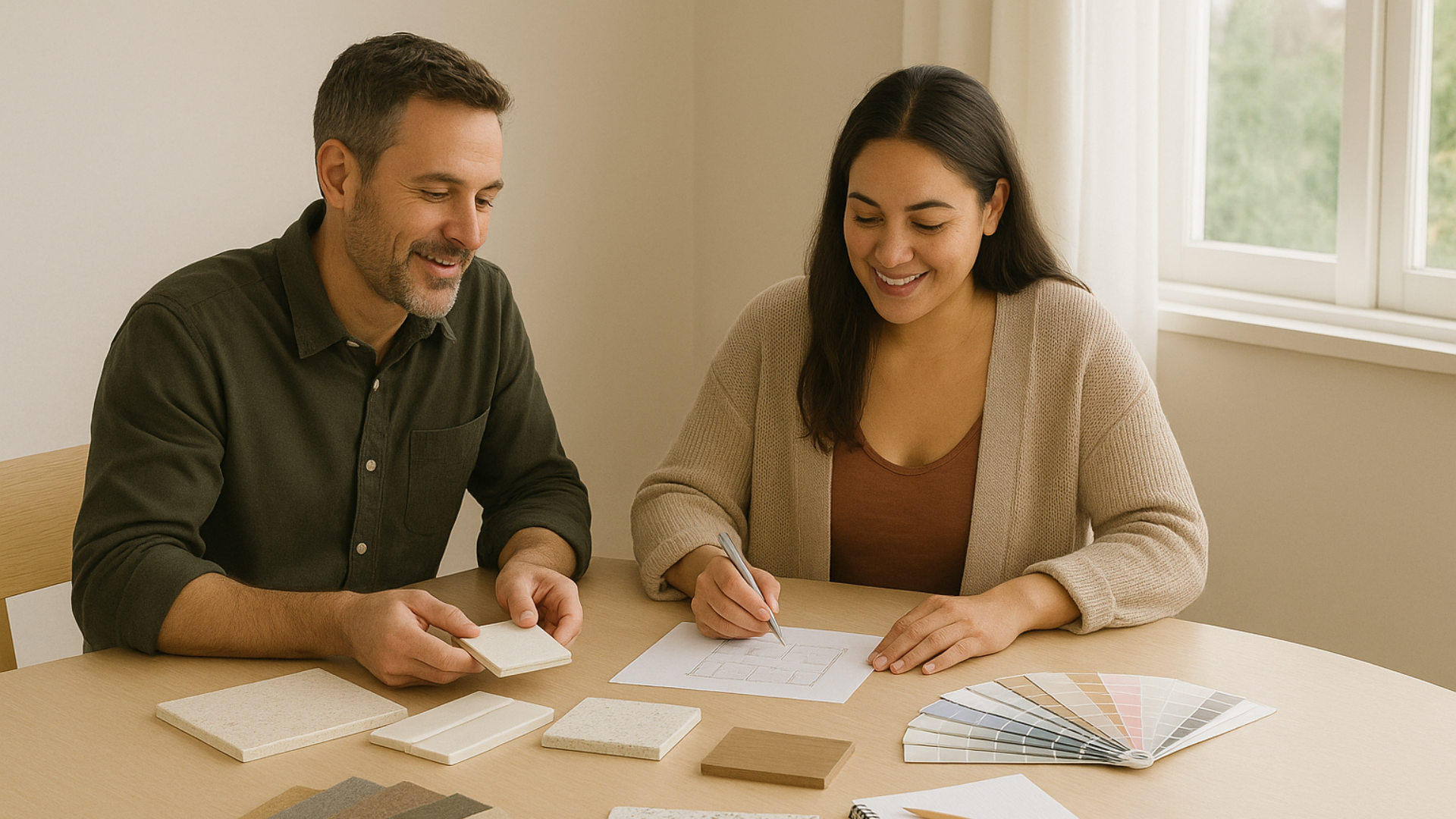
Lighting affects how colours and materials look. Planning it early means you can test how your finishes (like benchtops, tiles, and cabinetry) look under different tones of light - warm, neutral, or cool white.
4. Allow Time for Choosing Fixtures
Once the plan is set, you’ll need time to choose fittings. Some lights have longer lead times or require special installation (e.g. recessed LEDs, statement pendants, or smart lighting systems). Having your plan early helps avoid last-minute compromises.
Lighting is one of those things that’s easy to overlook until it’s too late, but it makes a massive difference to how your space feels and functions. Start your lighting plan early in the process and treat it as a key part of your design, not just the finishing touch.